Transporting valuable heirlooms, rare collectibles, and museum-quality artwork requires far more than standard packing and loading. When it comes to moving antiques, even minor mistakes can result in irreversible damage, financial loss, or the destruction of items with deep sentimental value. Cross-country relocations add additional risks due to long transit times, multiple handling stages, climate variations, and road conditions.
Whether you’re relocating a private collection, inheriting family treasures, or shipping gallery pieces to a new home, careful planning and professional expertise are essential. This guide explains how to protect fragile, irreplaceable items throughout every stage of a long-distance move.
Why antiques and fine art require specialized handling
Antiques and artwork are fundamentally different from modern household items. Age often makes materials more brittle, finishes more delicate, and structural integrity less predictable. Wood can warp, varnish can crack, canvas can loosen, and metal components can corrode if exposed to fluctuating humidity or temperature.
Standard moving practices—such as stacking boxes tightly or wrapping items in generic padding—may be safe for everyday belongings but dangerous for historic or high-value pieces. Successful moving antiques requires knowledge of materials, proper support techniques, and protective packaging designed specifically for fragile objects.
Assessing value and condition before transport
Before packing begins, it’s important to document each item’s condition. This includes taking clear photographs, noting existing wear or damage, and gathering any available appraisals or certificates of authenticity. Detailed records help establish insurance coverage and provide proof of condition if claims become necessary.
Professional movers specializing in antiques often conduct formal condition assessments to determine the safest handling methods. For example, a carved wooden cabinet may require internal reinforcement, while a marble sculpture might need custom crating to distribute weight evenly.
Professional packing methods that protect fragile items
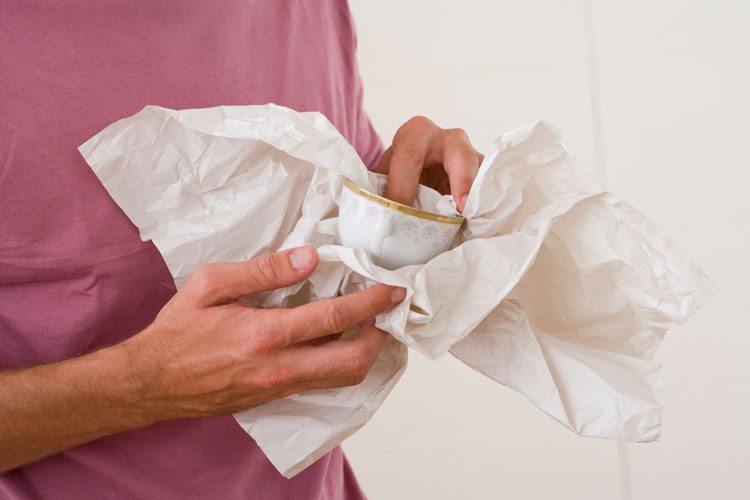
The packing stage is where most damage prevention occurs. High-value pieces should never be packed using improvised materials. Instead, trained crews use museum-grade techniques designed to absorb shock, prevent shifting, and isolate items from environmental changes.
- Custom wooden crates built to exact dimensions
- Acid-free wrapping materials that won’t damage finishes
- Multi-layer cushioning to absorb vibration during transport
Paintings often require corner protectors, protective glazing shields, and rigid backing boards. Sculptures and decorative objects may need foam molds that cradle the item securely without applying pressure to delicate areas.
Climate control during cross-country transport
Long-distance moves expose items to changing climates, including heat, cold, humidity, and dry air. These conditions can cause wood to expand or contract, paint layers to crack, and adhesives to weaken. For sensitive collections, climate-controlled vehicles are often essential.
Temperature stability is especially critical for oil paintings, antique furniture, musical instruments, and textiles. Professional transport services maintain controlled conditions throughout transit to reduce the risk of environmental damage.
Safe loading and transport procedures
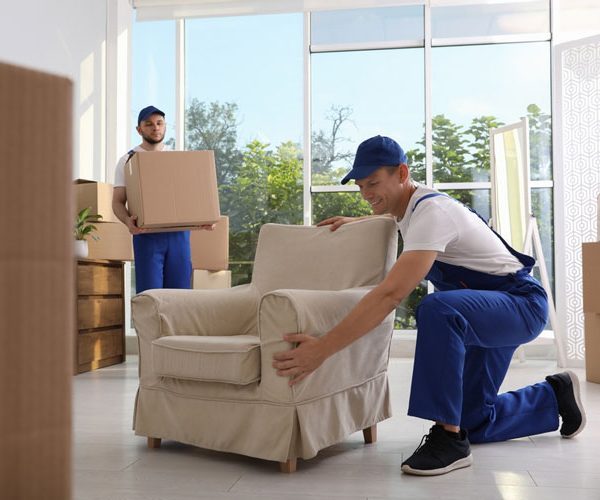
Proper loading is just as important as packing. Heavy antiques must be positioned to prevent tipping, while fragile items should be isolated from vibration and movement. Weight distribution inside the truck helps maintain stability and prevents shifting during sudden stops or turns.
Key considerations during transport include:
- Securing crates to prevent sliding or impact
- Separating delicate items from heavy equipment
- Using lift gates and specialized equipment for large pieces
Experienced crews understand how to navigate tight spaces, stairs, and doorways without putting stress on fragile structures.
Insurance and risk management
Standard moving insurance often covers items based on weight rather than value, which is inadequate for antiques or fine art. Specialized coverage is strongly recommended to ensure protection aligned with the item’s actual worth.
Professional movers can help coordinate appropriate insurance options, including full-value protection policies tailored to high-value shipments. This step provides financial security and peace of mind throughout the relocation process.
Handling unique or oversized items
Some antiques present additional challenges due to size, shape, or construction. Grandfather clocks, chandeliers, oversized mirrors, and large sculptures require partial disassembly and careful reassembly at the destination.
For example, clock mechanisms must often be removed and secured separately, while crystal fixtures may require individual wrapping of each component. Attempting to move such items intact can increase the risk of damage dramatically.
Why professional expertise matters
While it may be tempting to pack valuable items yourself, the risks are significant. Professional teams trained in moving antiques understand the nuances of fragile materials and employ techniques developed through years of experience. They also have access to specialized equipment that most homeowners do not.
Beyond physical protection, expert movers provide logistical coordination, ensuring that valuable items are tracked, handled consistently, and delivered safely across long distances.
Choosing the right moving partner
Not all moving companies offer the same level of care for high-value items. When selecting a provider, look for experience with antiques, fine art, and specialty transport. Ask about packing methods, insurance options, climate control capabilities, and staff training.
A reputable company will provide a detailed plan tailored to your collection rather than a one-size-fits-all approach.
How CC Moving protects antiques and fine art
CC Moving provides specialized services designed specifically for clients who need safe, reliable moving antiques across the country. Their trained crews use professional packing materials, custom crating solutions, and careful handling procedures to protect fragile and valuable items from origin to destination. With experience in long-distance relocations and high-value shipments, CC Moving ensures that antiques, collectibles, and artwork arrive in the same condition they left—secure, intact, and ready to be enjoyed in their new home. Call 954-965-9596
Frequently Asked Questions
Can antiques be moved safely over long distances?
Yes, with proper packing, climate control, and professional handling, antiques can be transported safely across the country.
Should I insure my antiques during a move?
Specialized insurance is strongly recommended because standard policies may not cover the full value of high-worth items.
Do paintings need special packing?
Yes, artwork typically requires protective layers, rigid support, and custom crating to prevent damage during transit.
Is it safe to pack antiques myself?
Self-packing increases risk unless you have appropriate materials and expertise. Professional packing is the safest option.