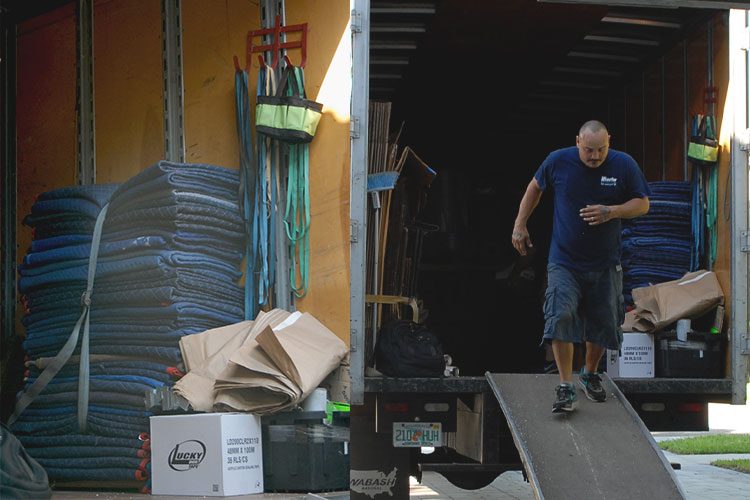
Moving day can feel like an overwhelming whirlwind. Between last-minute packing, coordinating schedules, handling paperwork, and trying not to forget anything important, it’s easy for stress to take over. But the truth is this: with the right preparation and a few smart strategies, moving day can be smooth, efficient, and even satisfying.
Whether this is your first time moving or you’ve relocated before, having a clear plan makes all the difference. A successful move is built on organization—starting with how you pack, how you manage moving day itself, and how you approach unpacking in your new home.
This guide walks you through each stage of the process so you can go from packing to unpacking a move without feeling overwhelmed.
Step 1: Efficient Packing for Success
Before you can think about unpacking a move, you need a solid packing strategy. Packing isn’t just about putting items in boxes. It’s about building an organized system that makes loading, transporting, and unpacking easier and faster.
Create a Packing Checklist
Start by building a packing checklist organized room-by-room. This prevents confusion, helps you track progress, and keeps the move from turning into chaos.
Break your checklist into:
- Kitchen
- Bedrooms
- Bathrooms
- Living room
- Closets
- Garage / Storage areas
- Office space
As you complete each room, check it off. This simple structure keeps you focused and prevents those last-minute “Did we forget something?” moments.
Label Boxes Clearly
Labeling boxes properly is a game changer. Every box should include: – The room it belongs to – A short list of contents – A priority level (high / medium / low)
For even better organization, use:
- Color-coded labels by room
- Numbered boxes tied to an inventory list
- “Fragile” labels for delicate items
This makes it easy for movers to place boxes in the right location—and makes unpacking dramatically faster.
Pack an Essentials Box
One of the most important packing moves is preparing an essentials box. This should travel with you or be the last box loaded so you can access it immediately upon arrival.
Include:
- Toiletries and medications
- Phone chargers
- Basic cleaning supplies
- A change of clothes
- Towels
- Snacks and bottled water
- Important documents
- Small tool kit (screwdriver, scissors, tape)
This prevents the frustrating situation of needing something basic—like your toothbrush—while it’s buried somewhere in a mountain of boxes.
Step 2: Stay Organized on Moving Day
Moving day is where stress usually peaks. The key to avoiding chaos is to stay organized, stick to a plan, and keep your must-do list visible and updated.
Have a Clear Plan for Arrival and Loading
If you’re working with professional movers, be ready when they arrive. A good plan includes: – Reserved parking space for the truck – Clear walkways inside the home – Items already boxed and sealed – A designated area for fragile or do-not-pack items
If you’re handling parts of the move yourself, make sure heavy items are prepped and furniture is cleared of loose items.
Create a “Last-Minute Zone”
Every move has a few last-minute items. Set aside one area of your home for: – Items still being packed – Trash bags and recycling – Essentials that you’re taking personally – Cleaning supplies for quick wipe-down
This keeps last-minute clutter from mixing with packed boxes and reduces the risk of leaving things behind.
Use a Moving Day Checklist
Keep a moving day checklist on your phone or printed out. It should include key tasks such as: – Turn off utilities (if required) – Walk through every room, closet, and cabinet – Take photos of the empty home (good for documentation) – Confirm address details with the moving company – Secure keys, garage openers, and important documents
Moving day feels fast. A checklist keeps you grounded and ensures you don’t miss the details that matter.
Step 3: Unpacking a Move with Intention
Unpacking a move can feel just as exhausting as packing—especially if you try to do everything at once. The best approach is to unpack with structure and intention so you build comfort quickly without burning yourself out.
Prioritize Essential Rooms First
When you arrive at your new home, don’t start with random boxes. Start with the rooms that make the home functional right away.
Top priority rooms:
- Bedroom (so you can sleep comfortably)
- Bathroom (so you can shower and reset)
- Kitchen (so you can eat and stay organized)
Getting these rooms set up first makes the entire transition feel smoother.
Unpack One Room at a Time
Avoid the common trap of opening boxes everywhere. Instead: – Choose one room – Unpack fully – Break down boxes – Move on to the next room
This reduces clutter, keeps momentum, and helps you feel progress quickly.
Don’t Try to Finish Everything in One Day
A successful unpacking plan is realistic. Most people unpack across several days—and that’s perfectly fine. Take breaks, pace yourself, and remember: the goal is to set up a home, not rush through it.
Once the essentials are done, you can take your time arranging décor, organizing closets, and building your new routine.
C&C Moving: Make Moving Day Easier from Start to Finish
Moving day doesn’t have to feel overwhelming. When you stay organized, follow a checklist, and tackle the process step by step, you can go from packing to unpacking a move with far less stress.
If you want a smoother experience, consider working with a trusted professional moving company. C&C Moving can handle the heavy lifting, logistics, and transport—so you can focus on settling into your new home with confidence.
Call C&C Moving today at 954-965-9596